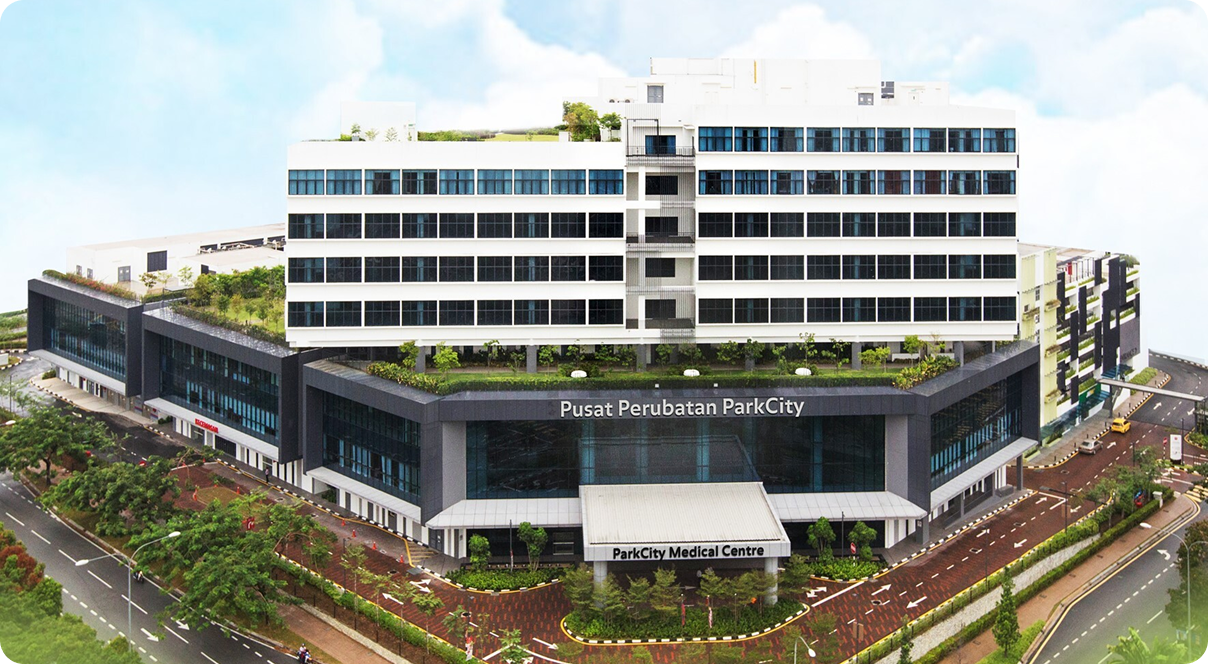

Diagnostic Department
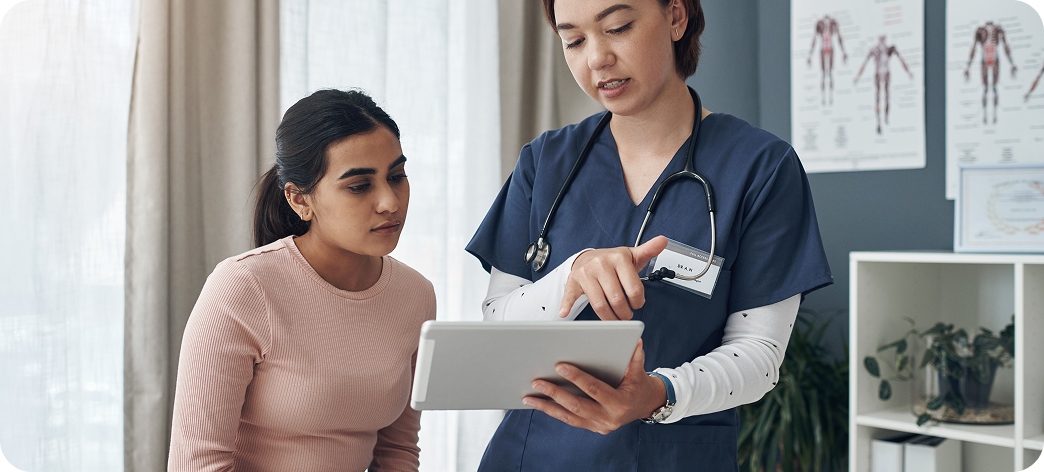
The Diagnostic Department at ParkCity Medical Centre offers a wide range of tests to support heart, brain, lung, and urinary system health.
Our Services
Cardiac Procedures
Such as Electrocardiogram (ECG), Echocardiogram (ECHO), Stress Test (Treadmill & Stress ECHO), Holter Monitoring, and Ambulatory Blood Pressure Monitoring (ABPM).
Neurological Procedures
Such as Electroencephalogram (EEG), Electromyogram (EMG), and Nerve Conduction Studies (NCS/SSEP). Specific neurological test like Visual Evoked Potential & Tilt-table are also performed.
Respiratory Procedures
Including Pulmonary Function Test (PFT), Fractional Exhaled Nitric Oxide (FeNO) Test and CaNO (Concentration of Alveolar Nitric Oxide).
Urological procedure
Such as Uroflowmetry
Cardiac Procedures
Such as Electrocardiogram (ECG), Echocardiogram (ECHO), Stress Test (Treadmill & Stress ECHO), Holter Monitoring, and Ambulatory Blood Pressure Monitoring (ABPM).
Neurological Procedures
Such as Electroencephalogram (EEG), Electromyogram (EMG), and Nerve Conduction Studies (NCS/SSEP). Specific neurological test like Visual Evoked Potential & Tilt-table are also performed.
Respiratory Procedures
Including Pulmonary Function Test (PFT), Fractional Exhaled Nitric Oxide (FeNO) Test and CaNO (Concentration of Alveolar Nitric Oxide).
Urological procedure
Such as Uroflowmetry
- Additional procedures: Sleep study.
- All procedures are carried out by trained technologists using advanced equipment, and results are reviewed and interpreted by consultants for reliable diagnosis.
- Each test’s duration may vary as it depends on the patient’s condition and situation. Patients are also provided with specific preparation guidelines to ensure the best possible results.
Cardiac Diagnostic Program
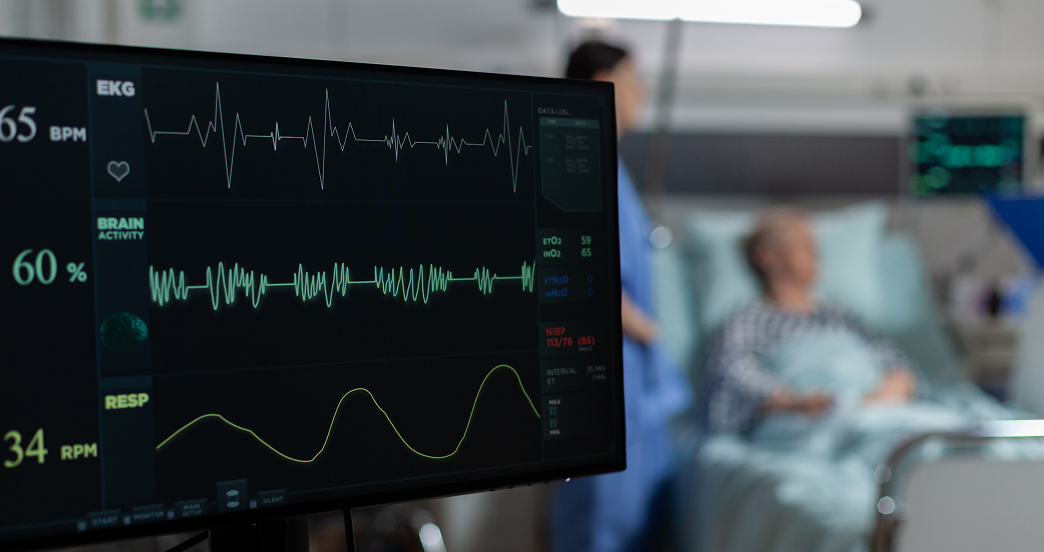
Electrocardiogram (ECG)
- A simple and quick test that records the heart’s electrical activity and rhythm through small electrodes placed on the chest, arms, and legs. It helps in detecting irregular heart rhythms (arrhythmias), heart attacks, and other cardiac conditions.
- Estimated procedure Time: 5-10 minutes.
- Preparation: None required. Proper attire for easy application
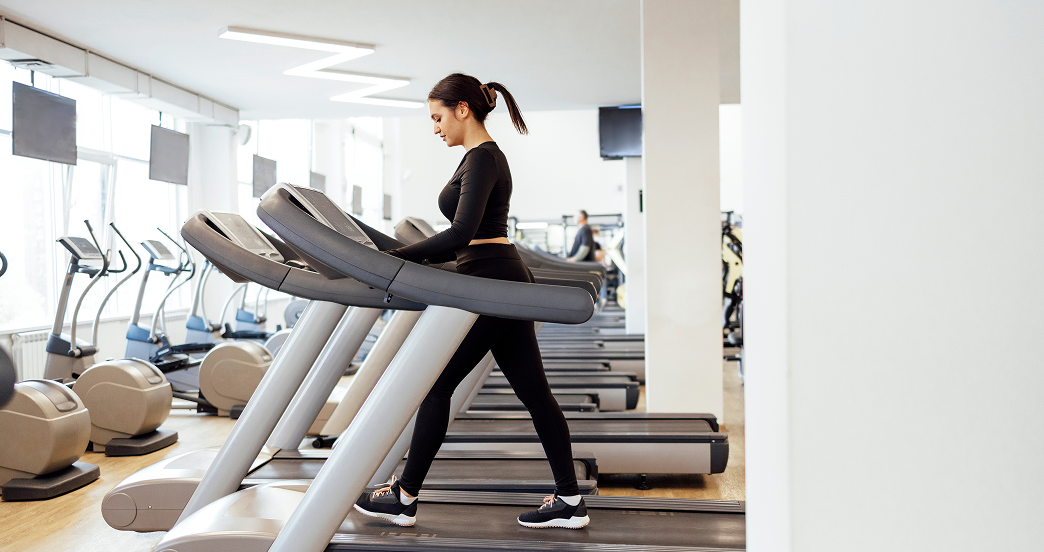
Exercise Stress Test (Treadmill)
- This test records the heart’s electrical activity while walking /running on a treadmill. It helps in detecting coronary artery disease, exercise-induced arrhythmia, and overall cardiovascular fitness. During physical exertion, the patient’s ECG, blood pressure and any symptoms are monitored closely.
- Estimated procedure Time: 30 minutes (depends on patient’s condition and situation).
- Preparation:
- Shave chest area if hairy (for proper electrode placement).
- Wear appropriate and comfortable attire and sports/running shoes.
- Avoid heavy meals before the test.
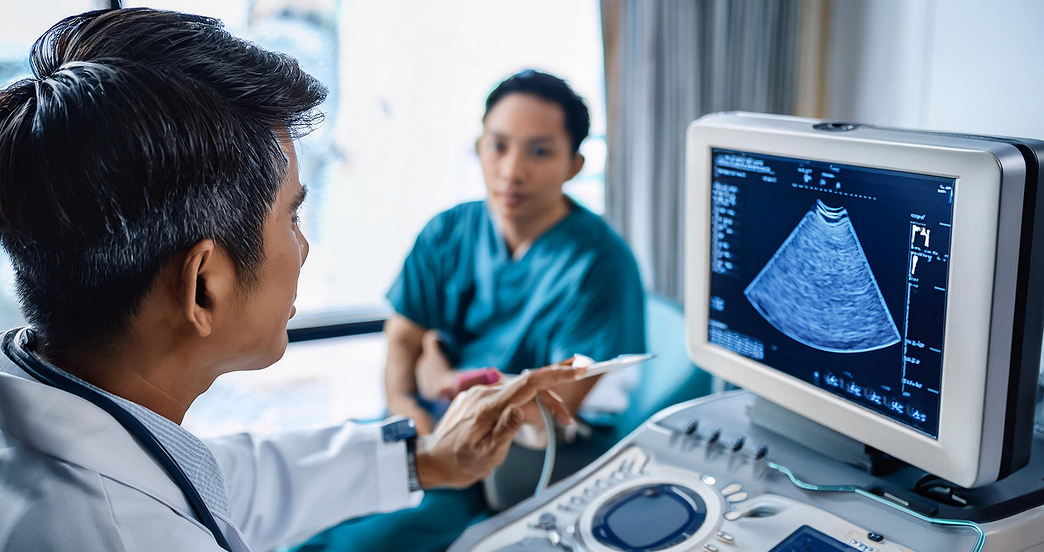
Echocardiogram (ECHO)
- A non-invasive ultrasound scan of the heart. It uses sound waves to create moving images of the heart’s chambers, valves, walls, and blood flow. It is essential for assessing heart structure, pumping function, and detecting valvular disease.
- Estimated procedure Time: 20 - 30 minutes (depends on patient’s condition and situation).
- Preparation: Proper attire for easy application.
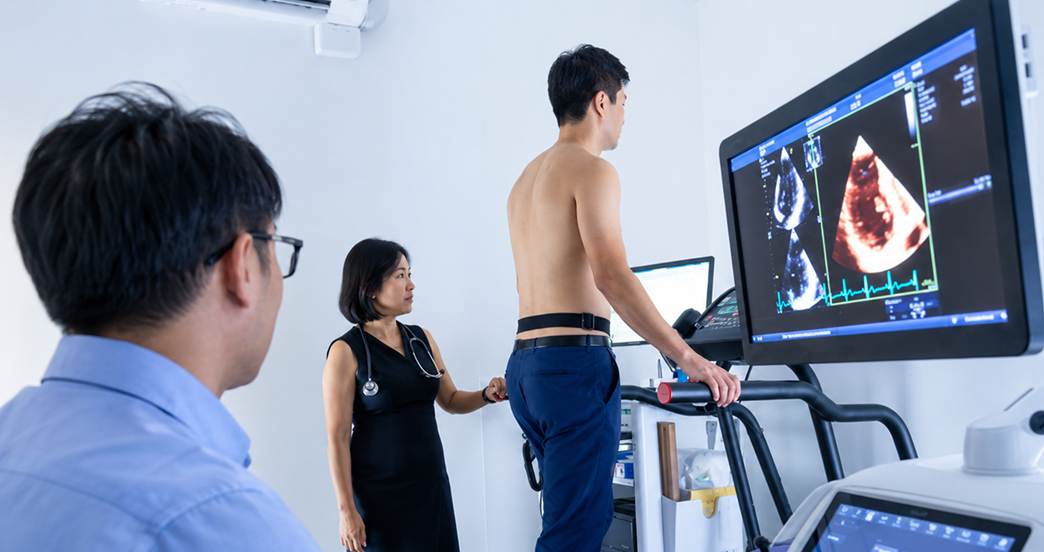
Stress Echocardiogram (Stress ECHO)
- Combines a treadmill stress test with echocardiography. It evaluates how the heart functions at rest and during exertion, providing more detailed information about ischemic heart disease (IHD). The test involves ultrasound imaging of the heart before and immediately after exercise.
- Estimated procedure Time: 45 minutes (depends on patient’s condition and situation).
- Preparation:
- Same as treadmill stress test (chest shave, proper attire, no heavy meals).
- Additionally: avoid medications that slow heart rate (e.g., beta-blockers) unless advised otherwise by your consultant.
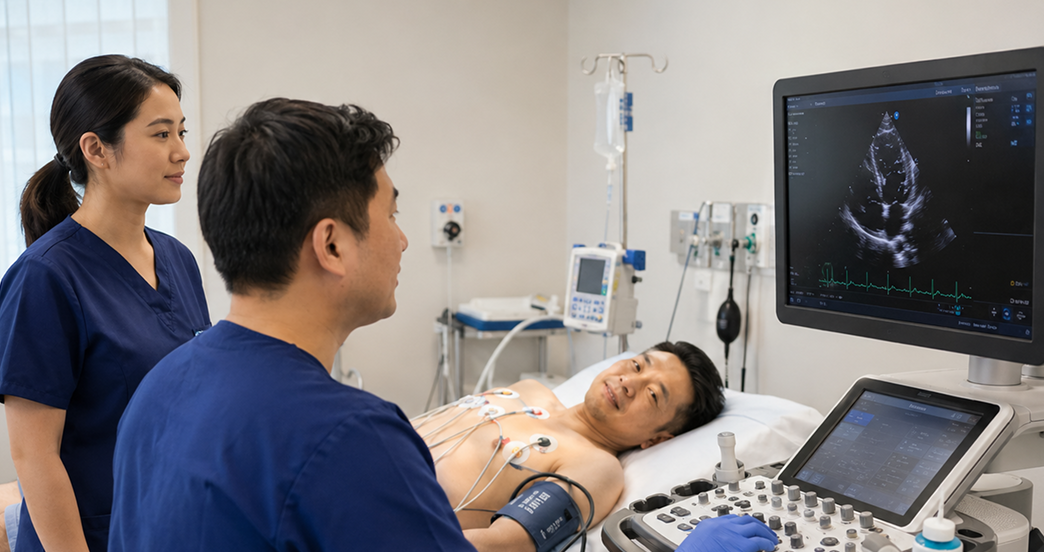
Dobutamine Stress Echocardiogram
- For patients unable to perform treadmill exercise. Instead, an intravenous (IV) medication called Dobutamine is administered to increase the heart rate and mimic exercise. The heart’s contraction is monitored via echocardiography at different stages of infusion.
- Estimated procedure Time: 45 - 60 minutes (depends on patient’s condition and situation).
- Preparation:
- Fast at least 3 hours before the procedure.
- The consultant may advise to stop or continue specific heart medications prior to the test.
- IV line will be inserted for infusion.
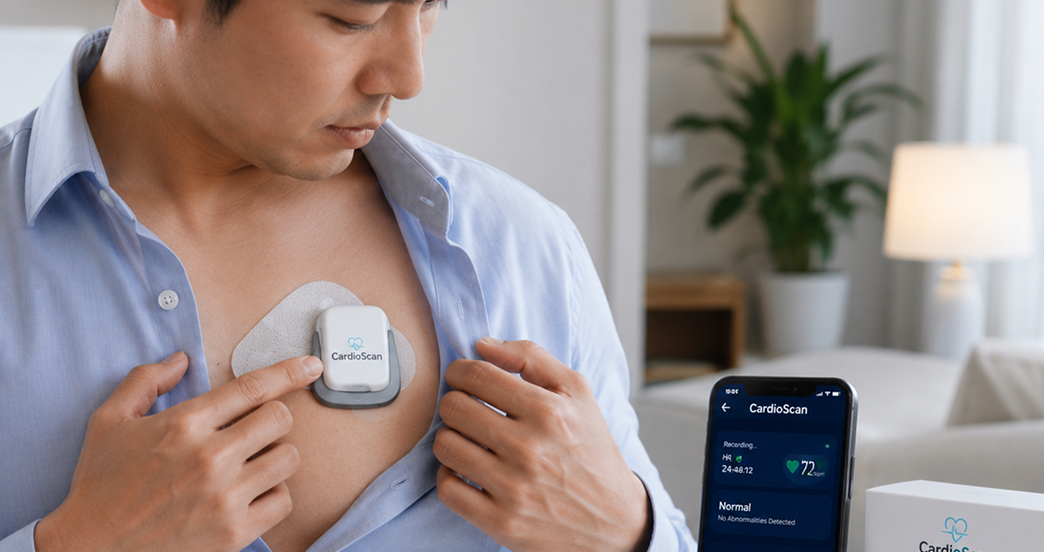
ECG monitoring device
- A portable, battery-operated device that records continuous ECG activity for over a predetermined period. It is worn during normal daily activities to detect irregular heart rhythms that may not appear during a standard ECG.
- Estimated procedure Time: from 24 hours up to 7 days. (continuous monitoring). 10 minutes set up
- Preparation:
- Device is not water-resistant; shower or bathe before fitting.
- Allow to do normal daily activities. Not advisable to perform running / swimming activities unless been advised to do so for monitoring purpose.
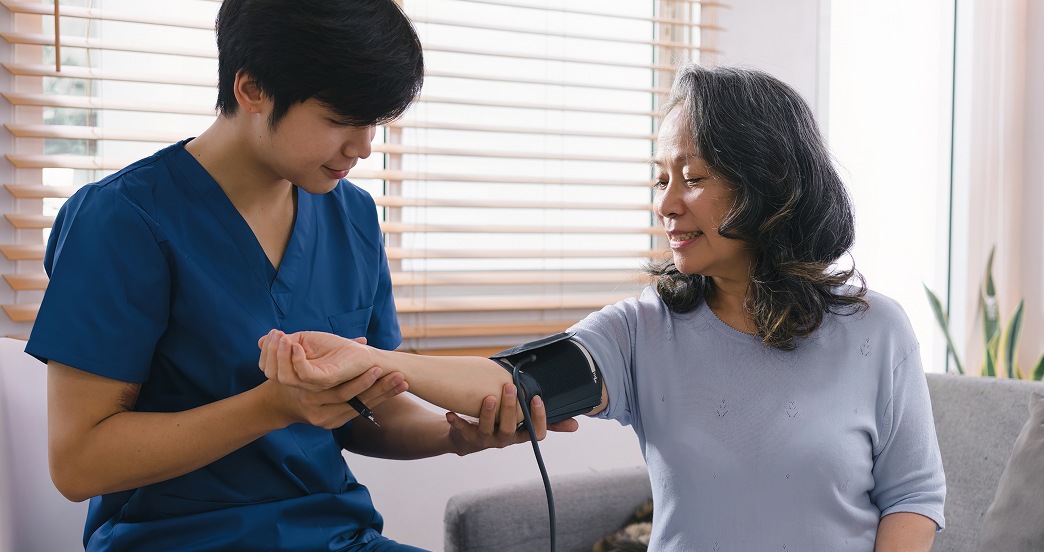
Ambulatory Blood Pressure Monitoring (ABPM)
- A small digital monitor attached to the arm, recording blood pressure at regular intervals (every 30 minutes during the day, every hour at night) for 24 hours. Provides a more accurate picture of blood pressure control compared to clinic readings.
- Estimated procedure Time: 24 hours (continuous monitoring). 10 minutes - Set up
- Preparation:
- Device is not water-resistant; shower or bath before fitting is advisable.
- Avoid running, sweating, or heavy physical activity after application.
Neurological Diagnostic Procedures
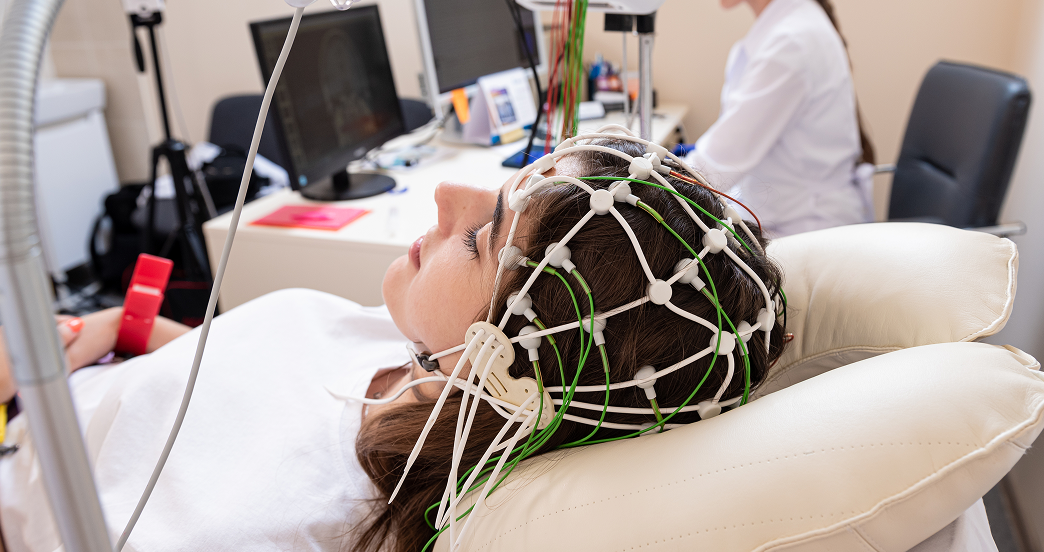
Electroencephalogram (EEG)
- Measures the brain’s electrical activity through electrodes placed on the scalp. It is commonly used to diagnose epilepsy, seizure disorders, and other neurological conditions.
- Estimated Time: 2 - 4hours (depending on patient’s condition and situation).
- Preparation:
- Avoid hair products (oil or sprays).
- Sedation may be required for children (arranged by the consultant).
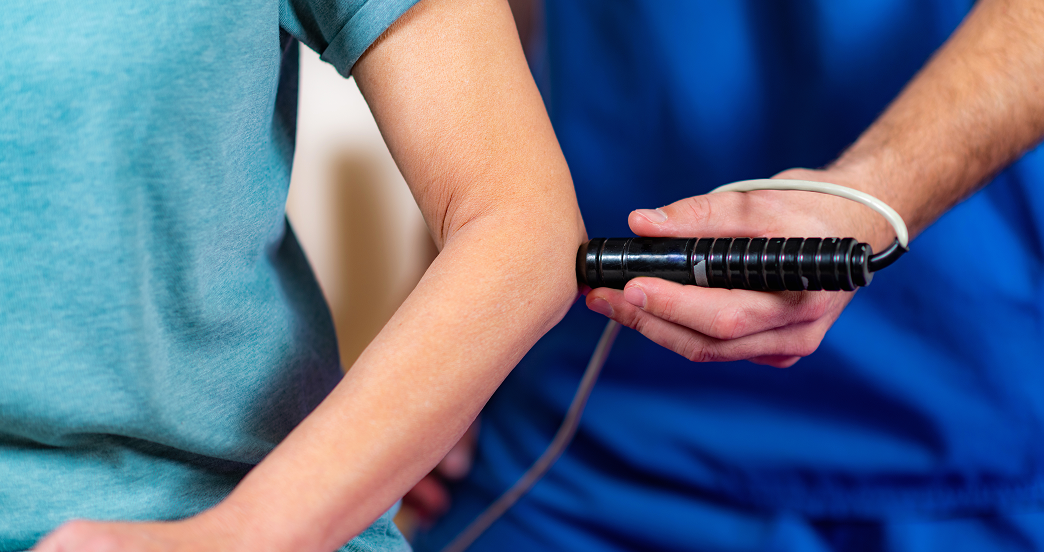
Electromyogram (EMG)
- Involves inserting a fine needle electrode into muscles to measure their electrical activity. It is used to detect neuromuscular disorders, nerve damage, and muscle dysfunction.
- Estimated procedure Time: 30–45 minutes (depends on patient’s condition and situation).
- Preparation:
- Do not apply lotions or creams on the test day.
- Inform the doctor if you are taking blood thinners or have bleeding disorders
- Patients will be informed about mild discomfort from needle insertion.
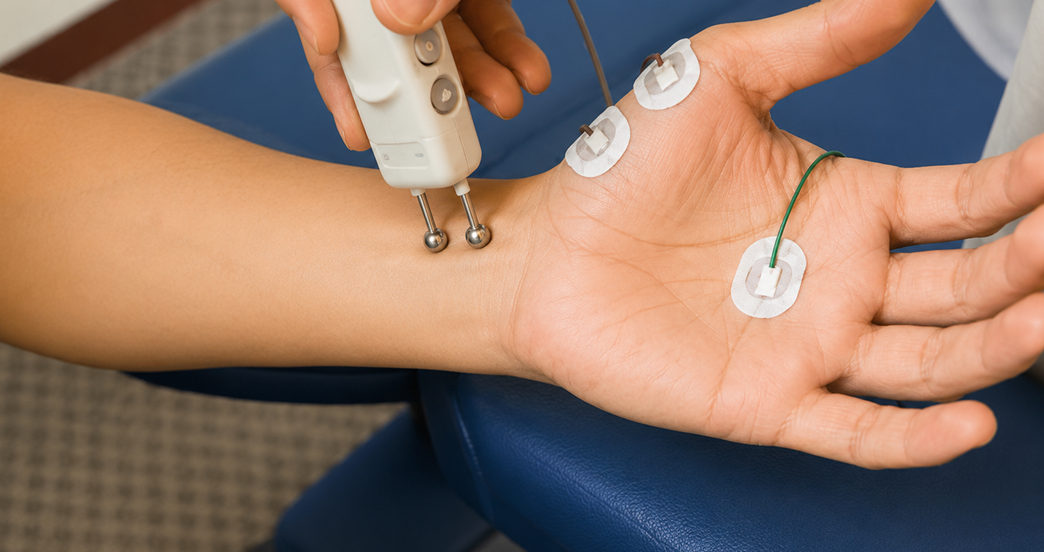
Nerve Conduction Studies (NCS) / Somatosensory Evoked Potential (SSEP)
- Explanation: Small electrical impulses are delivered to nerves while electrodes record responses. This helps detect nerve damage, neuropathy, or conditions affecting nerve conduction.
- Estimated procedure Time: 30-45minutes (depending on patient’s condition and situation).
- Preparation:
- Remove jewelry/metal accessories.
- Patient to relax during test
- Skin cleaned before electrode placement.
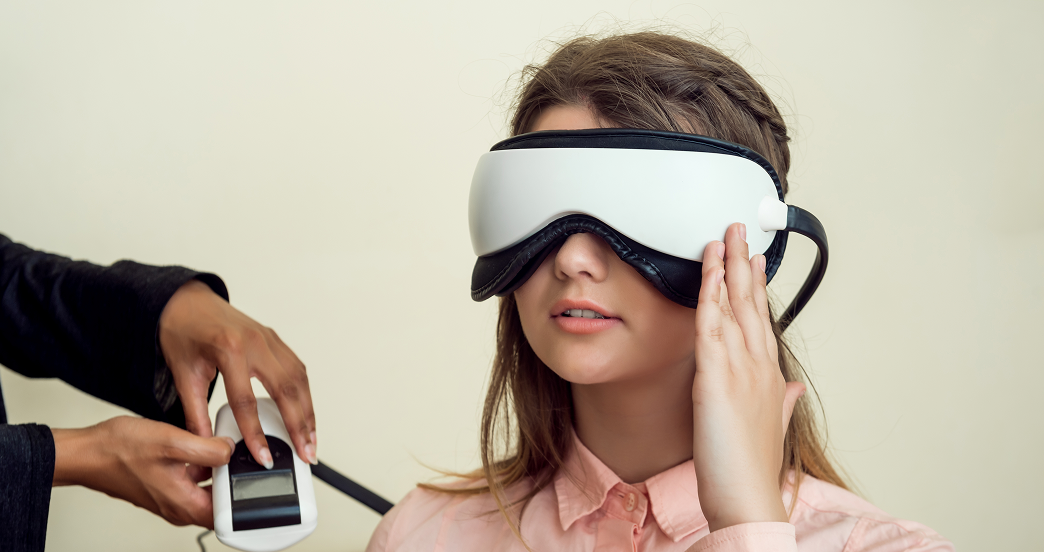
Visual Evoked Potential (VEP)
- Explanation: Measures the electrical activity in the brain in response to visual stimuli. It helps diagnose visual pathway disorders, optic nerve damage, and multiple sclerosis.
- Estimated procedure Time: 20-40 minutes (varies depending on protocol).
- Preparation:
- Avoid caffeine or medications that may affect the nervous system before the test.
- Inform the technologist if you have any vision problems or wear glasses.
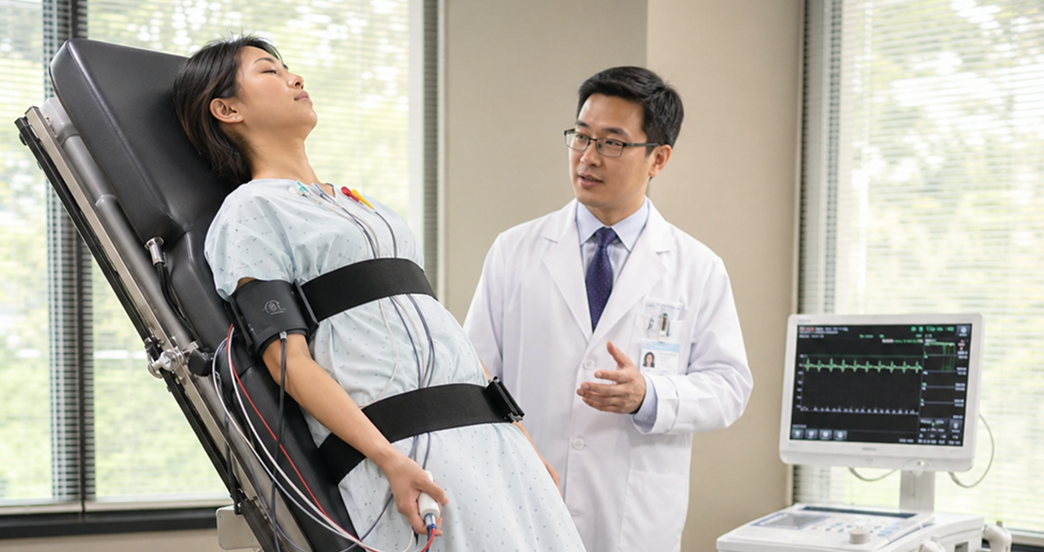
Tilt Table Test
- Explanation: Assesses how your body responds to changes in position, mainly to diagnose causes of fainting (syncope) or dizziness by monitoring blood pressure and heart rate when tilted from lying down to upright.
- Estimated procedure Time: 30-60 minutes.
- Preparation:
- Avoid caffeine, alcohol, and heavy meals before the test.
- Wear comfortable clothing and shoes.
- Inform the healthcare provider about medications you are taking.
Respiratory Diagnostic Procedures
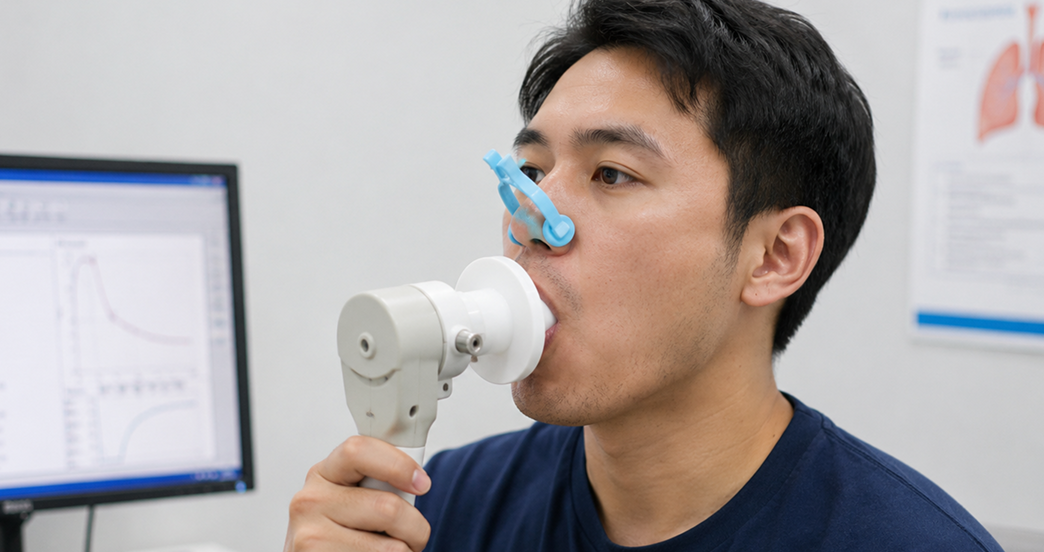
Pulmonary Function Test (PFT)
- Explanation: Measures lung volumes, airflow, and breathing capacity. It is useful in the diagnosis of asthma, COPD, and pre/post-operative assessments.
- Estimated procedure Time: 10-20 minutes (depending on condition and situation).
- Preparation:
- Bring prescribed inhaler/bronchodilator if applicable.
- Avoid heavy meals, smoking, or strenuous exercise before test.
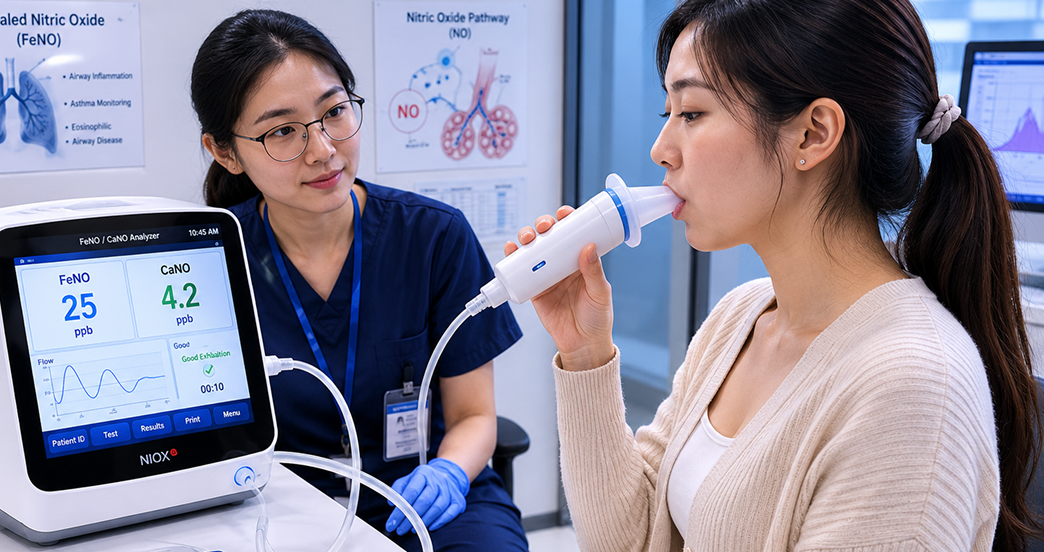
Fractional Exhaled Nitric Oxide (FeNO) and Alveolar Nitric Oxide Concentration (CaNO)
- Explanation:
- FeNO measures airway inflammation by detecting nitric oxide levels in exhaled breath, primarily reflecting bronchial (central airway) inflammation.
- CaNO measures nitric oxide concentration in the alveoli, assessing inflammation in the peripheral (small) airways.
- Together, these tests provide a comprehensive view of airway inflammation useful for asthma diagnosis and monitoring.
- Estimated procedure Time: 10-20 minutes (combined test).
- Preparation:
- Avoid eating, drinking, smoking, or strenuous exercise for at least 1 hour before the test.
- Inform the technician technolgsit of any inhaled medications or recent respiratory infections.
- Breathe normally before the test to ensure accurate measurements.
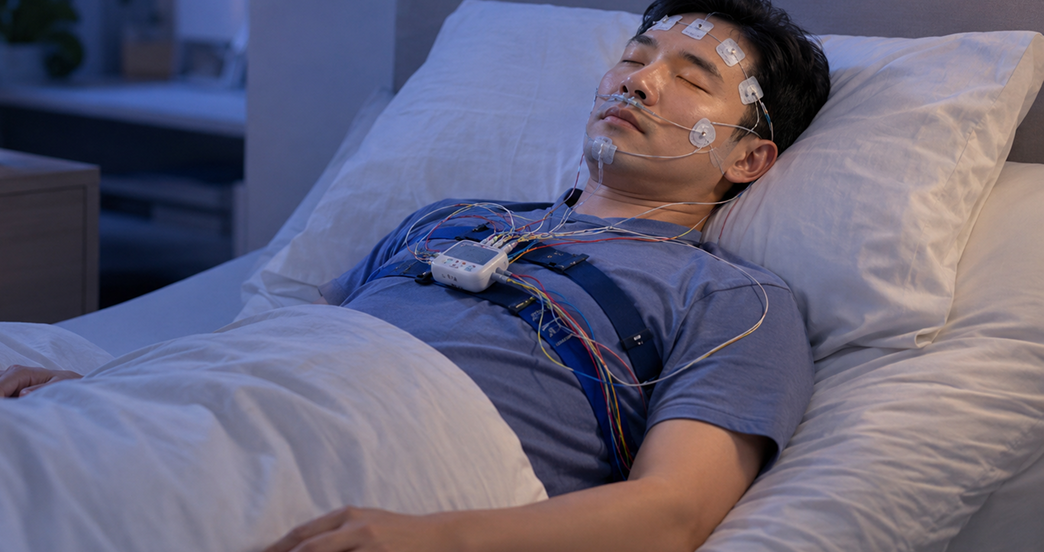
Sleep Study (Polysomnography)
- Explanation: Records brain waves, oxygen levels, heart rate, breathing, and movements during sleep to diagnose sleep disorders such as sleep apnea, insomnia, or restless leg syndrome.
- Estimated procedure Time: Overnight
- Preparation:
- Avoid caffeine and alcohol on the day of the test.
- Follow your normal sleep schedule as much as possible.
- Bring comfortable sleepwear and any necessary personal items.
- Needs to be hospitalized to be monitored
Urological Diagnostic Procedures
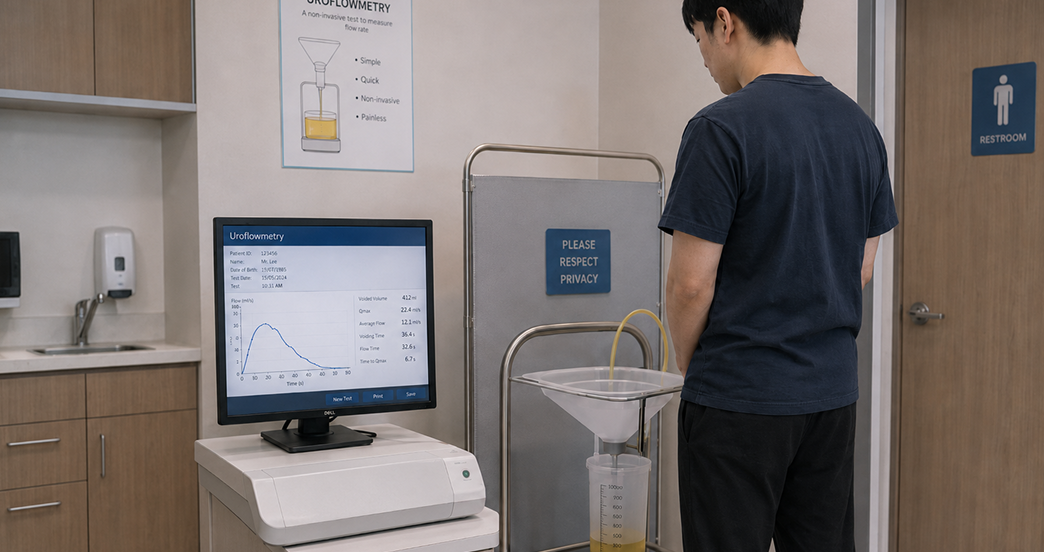
Uroflowmetry
- Explanation: Measures the speed and volume of urine flow to assess urinary tract function and bladder health. Often used in evaluating patients with prostate or bladder disorders.
- Estimated procedure Time: 10–20 minutes (depends on patient’s condition and situation).
- Preparation:
- Drink at least 500 ml of water before the test and do not pass urine until procedure is completed.
General Notes for Patients
- All diagnostic services are specialized procedures that need a consultant’s order and review.
- Our consultant is required to assess the patient prior to ordering a Diagnostic procedure.
- Click here to learn more on getting Cardio or Respiratory test from our Health Screening Centre packages.