
Imaging/Radiology Services
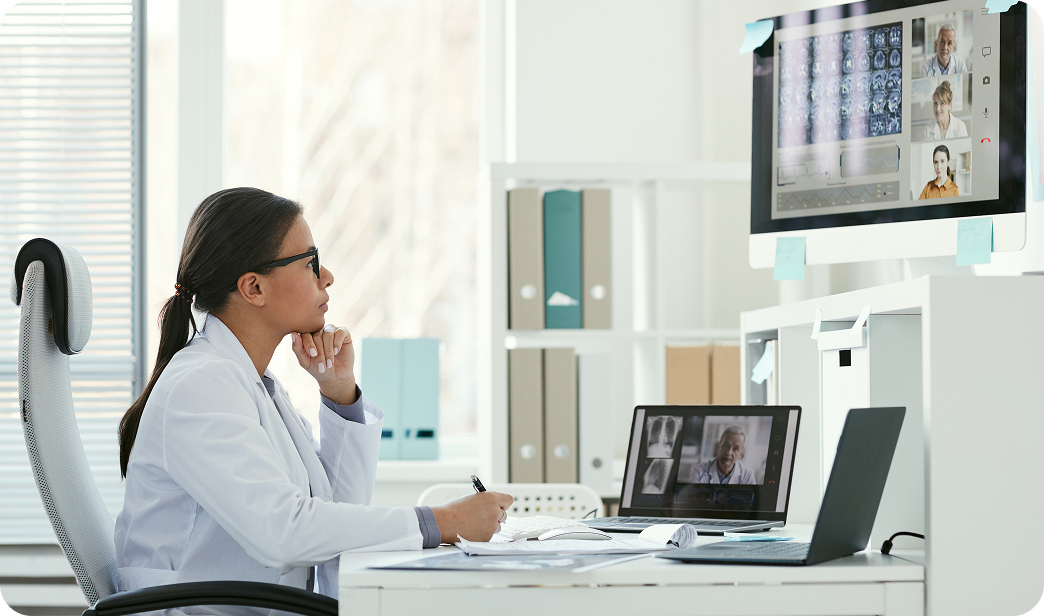
We provide advanced imaging services to support early detection, accurate diagnosis, and effective treatment planning. Our centre is equipped with modern technology and supported by experienced radiologists, radiographers, and Imaging nurses who work closely to ensure reliable results with patient comfort and safety in mind.
Services Offered
Provides more detailed cross-sectional images, useful for diagnosing internal injuries, tumors, and infections.
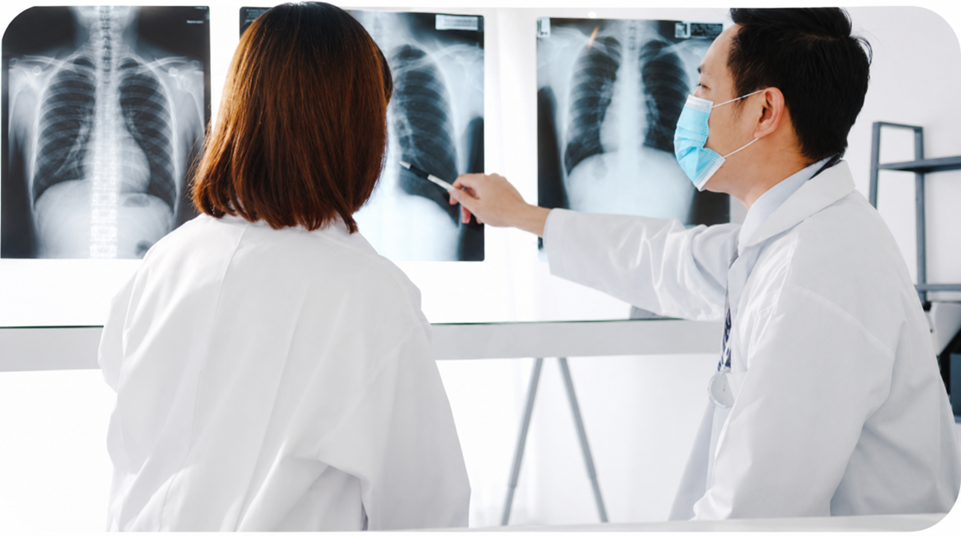
General Diagnostic X-ray
Fast and widely available imaging used to detect bone fractures, chest conditions, and certain abdominal issues.
- Quick and painless procedure
- Suitable for walk-in patients
- Low radiation exposure
- Common uses: fractures, lung infections, joint issues
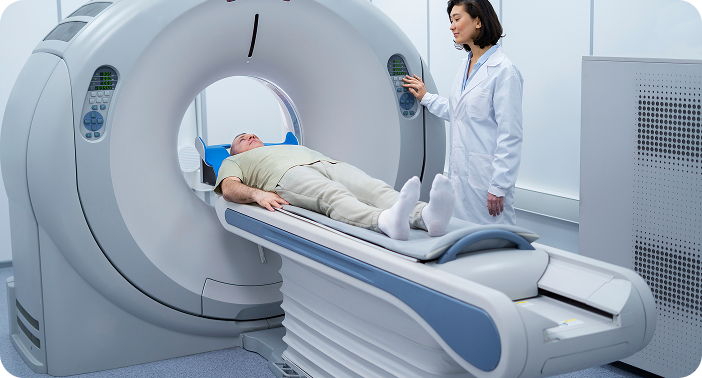
Computed Tomography (CT)
Advanced imaging that produces detailed cross-sectional (3D-like) images of internal organs and structures.
- Ideal for trauma, stroke, and internal injuries
- Scans faster than MRI
- Helps detect tumors, bleeding, and infections
- Contrast-enhanced scans available (if required)
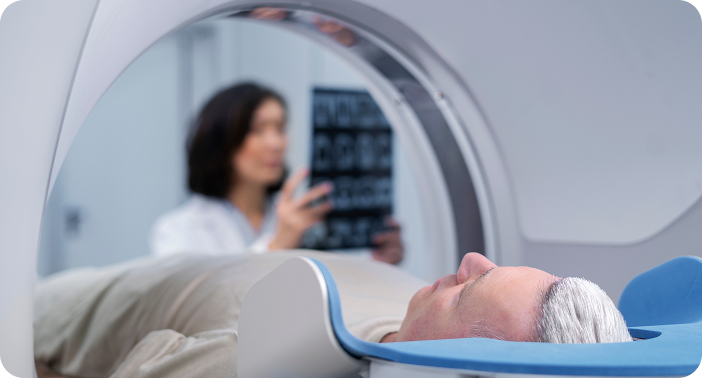
Magnetic Resonance Imaging (MRI)
High-resolution imaging using magnetic fields (no radiation), best for soft tissue evaluation.
- Excellent for brain, spine, joints, and ligaments
- No radiation exposure
- Highly detailed and accurate
- Suitable for chronic pain and neurological conditions
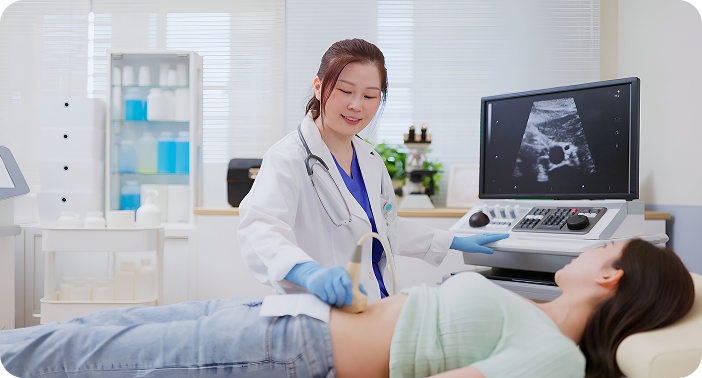
Ultrasound
Safe, radiation-free imaging using sound waves to assess internal organs.
- Common for pregnancy, abdomen, and pelvic scans
- Real-time imaging
- No radiation exposure
- Widely used for screening and follow-up
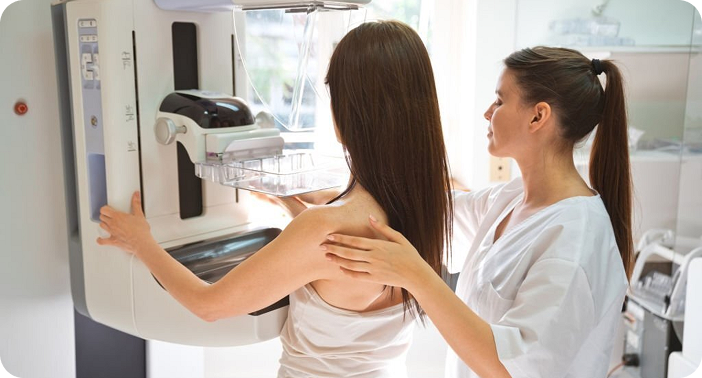
Digital Mammogram
Specialized breast imaging for early detection of breast cancer.
- Screening and diagnostic options available
- Early detection saves lives
- Recommended for women aged 40 and above
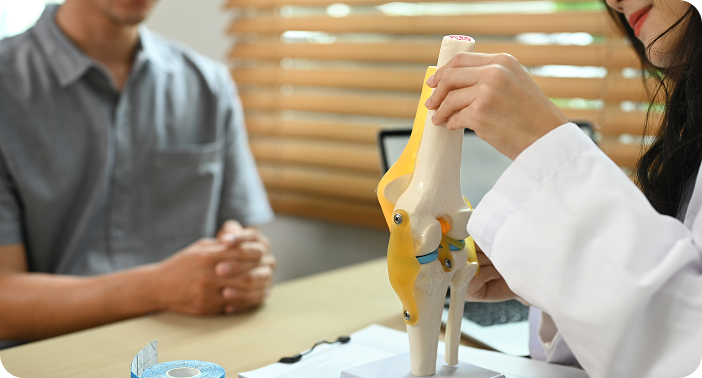
Bone Mineral Densitometry (BMD)
A specialized scan used to measure bone strength and detect osteoporosis at an early stage.
- Quick and non-invasive procedure
- Uses very low-dose radiation
- Helps assess risk of fractures
- Recommended for elderly, postmenopausal women, and patients at risk of bone loss
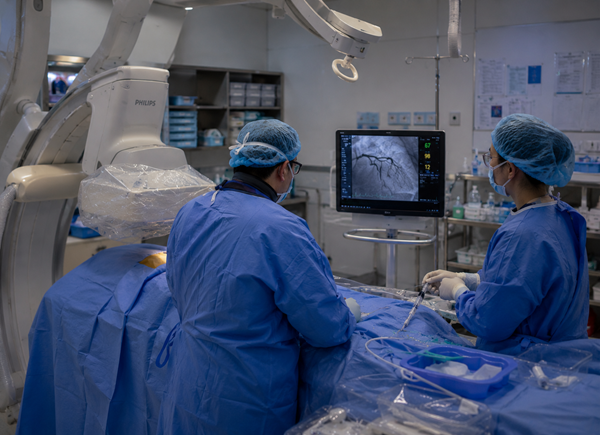
Catheterization Laboratory (CathLab)
A specialized facility for minimally invasive procedures to diagnose and treat heart and blood vessel conditions.
- Real-time imaging guidance for precision
- Procedures include angiography, angioplasty, and stent placement
- Reduced need for open surgery
- Faster recovery and shorter hospital stay
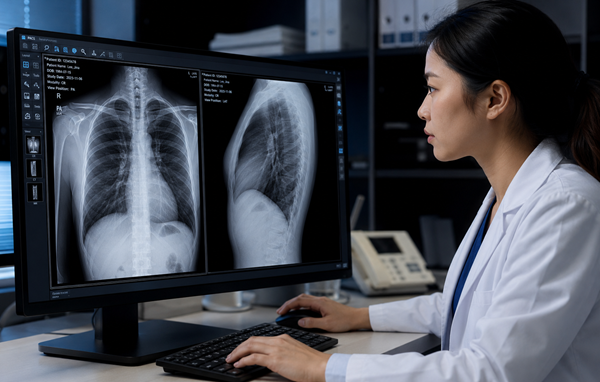
Interventional Radiology (IR)
Minimally invasive procedures performed using image guidance for diagnosis and treatment of various conditions.
- Uses imaging such as ultrasound, CT, or fluoroscopy for precision
- Smaller incisions with reduced pain and faster recovery
- Common procedures include biopsies, drain insertions, vascular access, and targeted treatments
- Alternative to traditional surgery in selected cases
General Diagnostic X-ray
Fast and widely available imaging used to detect bone fractures, chest conditions, and certain abdominal issues.
- Quick and painless procedure
- Suitable for walk-in patients
- Low radiation exposure
- Common uses: fractures, lung infections, joint issues
Computed Tomography (CT)
Advanced imaging that produces detailed cross-sectional (3D-like) images of internal organs and structures.
- Ideal for trauma, stroke, and internal injuries
- Scans faster than MRI
- Helps detect tumors, bleeding, and infections
- Contrast-enhanced scans available (if required)
Magnetic Resonance Imaging (MRI)
High-resolution imaging using magnetic fields (no radiation), best for soft tissue evaluation.
- Excellent for brain, spine, joints, and ligaments
- No radiation exposure
- Highly detailed and accurate
- Suitable for chronic pain and neurological conditions
Ultrasound
Safe, radiation-free imaging using sound waves to assess internal organs.
- Common for pregnancy, abdomen, and pelvic scans
- Real-time imaging
- No radiation exposure
- Widely used for screening and follow-up
Digital Mammogram
Specialized breast imaging for early detection of breast cancer.
- Screening and diagnostic options available
- Early detection saves lives
- Recommended for women aged 40 and above
Bone Mineral Densitometry (BMD)
A specialized scan used to measure bone strength and detect osteoporosis at an early stage.
- Quick and non-invasive procedure
- Uses very low-dose radiation
- Helps assess risk of fractures
- Recommended for elderly, postmenopausal women, and patients at risk of bone loss
Catheterization Laboratory (CathLab)
A specialized facility for minimally invasive procedures to diagnose and treat heart and blood vessel conditions.
- Real-time imaging guidance for precision
- Procedures include angiography, angioplasty, and stent placement
- Reduced need for open surgery
- Faster recovery and shorter hospital stay
Interventional Radiology (IR)
Minimally invasive procedures performed using image guidance for diagnosis and treatment of various conditions.
- Uses imaging such as ultrasound, CT, or fluoroscopy for precision
- Smaller incisions with reduced pain and faster recovery
- Common procedures include biopsies, drain insertions, vascular access, and targeted treatments
- Alternative to traditional surgery in selected cases
Interventional Radiology (IR)
This is a medical subspecialty that uses advanced medical imaging techniques like X-rays, US, Mammogram, CT scans, or MRI to guide minimally invasive procedures for diagnosis and treatment. Procedure is done by Interventional Radiologist or trained Radiologist. Instead of large surgical cuts, IR uses tiny incisions or catheters/biopsy needles, guided by like X-rays, US, Mammogram, CT scans, or MRI to reach the targeted area in the body.
IR services in PMC includes but not limited to:

Abscess drainage

Fine Needle Aspiration Cytology (FNAC)

Ultrasound or CT-guided biopsies

Stereotactic vacuum-assisted breast biopsy

Mammographic wire localization & stereotactic needle biopsy

Ultrasound-guided hook-wire localization
General Notes for Patients
All Imaging services require a medical practitioner’s order and review.
Why Choose Us?
- ✔️ Modern imaging technology
- ✔️ Experienced radiologists & healthcare team
- ✔️ Fast and accurate reporting
- ✔️ Patient-focused care and comfort
- ✔️ Low radiation protocols where applicable
Our Strength
Digital Imaging & Picture Archiving and Communication System (PACS)
CreatesImages are stored electronically and can be accessed quickly by doctors for faster diagnosis. Its core functions include storing images electronically in a database, managing these digital files and transmitting them to various workstations for viewing by radiologists and physicians.
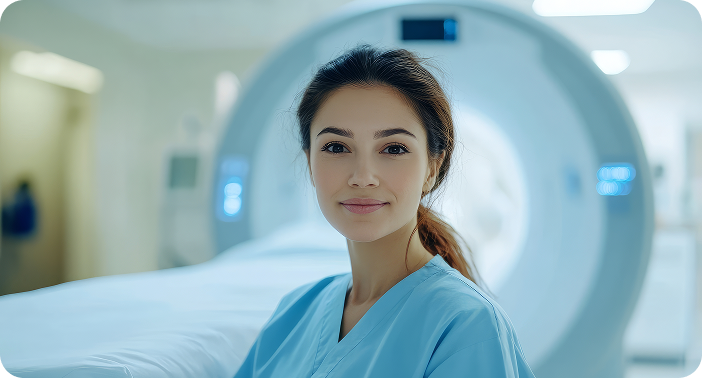
24/7 Emergency Imaging Support
Round-the-clock services to support wards, emergency and trauma cases.
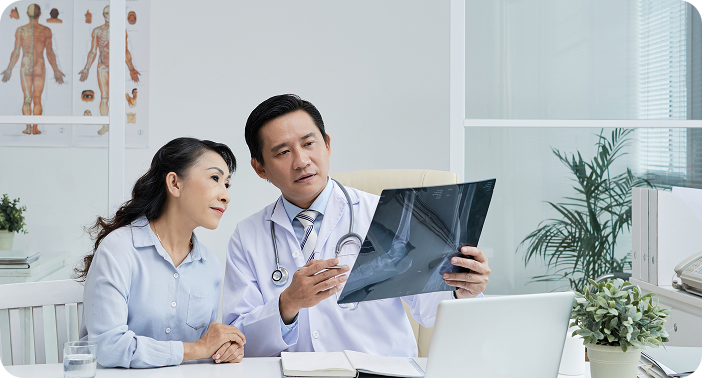
Low Radiation Dose Technology
Use of an advance equipment to minimize patient exposure.

Multidisciplinary Collaboration
Radiologists work closely with physicians, surgeons, and other specialists for comprehensive patient care.
Digital Imaging & Picture Archiving and Communication System (PACS)
CreatesImages are stored electronically and can be accessed quickly by doctors for faster diagnosis. Its core functions include storing images electronically in a database, managing these digital files and transmitting them to various workstations for viewing by radiologists and physicians.
24/7 Emergency Imaging Support
Round-the-clock services to support wards, emergency and trauma cases.
Low Radiation Dose Technology
Use of an advance equipment to minimize patient exposure.
Multidisciplinary Collaboration
Radiologists work closely with physicians, surgeons, and other specialists for comprehensive patient care.
Radiology Team
Our department is supported by:

Consultant Radiologists
Experts and experience in interpreting images and performing interventional procedures.

Radiographers
Qualified, skilled and trained professionals who operate imaging equipment with precision and care to provide best quality images for radiologists.

Specialist Nurses
Dedicated and caring nurses, providing patient support, preparation, and aftercare.
Frequently Asked Questions
Yes. Imaging procedures are generally safe because it is handled by professionals. When radiation is involved (X-rays, CT scans, Dexa and Mammograms), we use the lowest possible doses with advanced safety protocols. MRI and ultrasound involve no radiation at all.
👉 If you are pregnant or suspect you may be pregnant, please inform our staff before your scan so we can discuss with the clinician on next course of action or alternative options.
Different procedure will require different steps of preparation before the procedure. You may be asked to fast or to ensure a full bladder before the scan. We will advise you accordingly prior to your appointment/scan.
👉 In general: Remove jewelry or metal objects from region of interest. You may be asked to change into the hospital gown
👉 If contrast administration is required: informing their doctor about allergies, previous reactions to contrast media, and pre-existing conditions like diabetes or kidney disease, as well as discussing any possibility of pregnancy. After the procedure, patients should increase fluid intake to help eliminate the contrast from the body.
👉 For MRI: patient should answer safety questions honestly, remove all metal objects, remain still during the scan, and communicate any concerns or discomfort to the radiographer incharge.
A consultant radiologist will review your scan and report will be sent to your referring doctor according to your test urgency and within the hospital’s stipulated turn-around-time. Your doctor will then explain the findings to you.
Please wear comfortable, loose-fitting clothing. Avoid metal accessories, zippers, or buttons. Leave your jewelry and valuables at home. For some scans, you may be asked to change into a hospital gown.
Walk-ins are accepted for selected services such as X-ray. Advanced imaging may require prior booking.
Some CT, MRI or ultrasound scans may require fasting. Our team will advise you accordingly prior to your appointment/scan.
The duration varies depending on the type of scan. On average:
- X-ray: 5–10 minutes
- CT scan: 10–20 minutes
- MRI: 20–45 minutes